
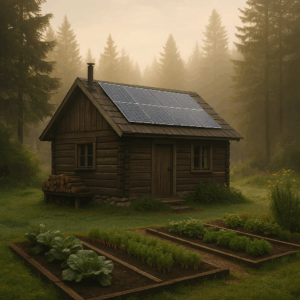
Embrace Freedom with Our Beginners Guide to Off Grid Living: A Path to Simplicity and Resilience
In a world that often feels overwhelming and fast-paced, the allure of living off the grid speaks to our deepest desires for simplicity and self-sufficiency. Imagine waking up each day to the rhythm of nature, free from the constraints of modern dependency, and fully embracing a lifestyle rooted in freedom and resilience. This beginners guide to off grid living offers a pathway to reclaim calm and capability, guiding you toward intentional living with practical steps and supportive advice. Whether you’re a curious beginner or an aspiring modern homesteader, this journey toward sustainable living is not just about surviving—it’s about thriving in harmony with the world around you. Let this be your trusted resource as you embark on a transformative adventure toward peace of mind and practical independence.
Understanding Off Grid Living
Off grid living is a lifestyle choice that involves disconnecting from public utilities and becoming self-sufficient in terms of energy, water, and often food production. This approach to life is not just about cutting ties with the mainstream; it’s about forging a deeper connection with nature and your own capabilities.
At its core, an off grid lifestyle emphasizes sustainability, resourcefulness, and a reduced environmental footprint. It’s about creating a home that generates its own power, collects its own water, and often produces its own food. This self-reliant way of living can offer a sense of freedom and security that’s hard to find in conventional urban or suburban settings.
For beginners, it’s important to understand that off grid living isn’t about completely isolating yourself from society. Rather, it’s about thoughtfully choosing which modern conveniences to keep and which to replace with more sustainable alternatives. This lifestyle can range from a fully self-sufficient homestead to a more modest setup that reduces dependence on the grid without eliminating it entirely.

Benefits of Off Grid Living
Environmental Impact
One of the most significant benefits of off grid living is its positive environmental impact. By generating your own renewable energy and reducing consumption, you dramatically decrease your carbon footprint. Off grid homes often rely on solar, wind, or micro-hydro power, which are clean energy sources that don’t contribute to greenhouse gas emissions.
Water conservation is another key aspect. Many off grid dwellers implement rainwater collection systems and greywater recycling, which not only reduces strain on municipal water supplies but also promotes more mindful water usage. Additionally, off grid living often goes hand in hand with organic gardening and composting, further reducing waste and supporting local ecosystems.
Financial Freedom
While the initial setup costs for off grid living can be substantial, the long-term financial benefits are often significant. Once established, off grid homes can dramatically reduce or eliminate monthly utility bills. This reduction in ongoing expenses can lead to greater financial freedom and the ability to work less or pursue passion projects.
Moreover, the skills developed through off grid living—such as basic construction, renewable energy system maintenance, and food production—can lead to new income opportunities or significant savings on services you might otherwise outsource. The financial independence gained through off grid living can provide a buffer against economic uncertainties and offer a more stable, self-reliant financial future.
Essential Components of Off Grid Living
Energy Systems
The heart of any off grid setup is its energy system. Solar panels are often the go-to choice for many, offering a reliable and increasingly affordable source of renewable energy. A typical system includes solar panels, batteries for energy storage, and an inverter to convert DC power to AC for household use.
For those in windy areas, small wind turbines can complement solar systems, especially during cloudy periods or winter months when solar production may be lower. In locations with flowing water, micro-hydro systems can provide a consistent power source.
It’s crucial to accurately calculate your energy needs before investing in a system. This involves listing all your electrical appliances and their usage patterns. Many off gridders find that adopting energy-efficient appliances and habits significantly reduces their overall energy requirements, making their systems more manageable and cost-effective.
Water Solutions
Securing a reliable water source is paramount for off grid living. Depending on your location, this might involve drilling a well, setting up a rainwater collection system, or utilizing a nearby spring or stream (with proper filtration).
Rainwater harvesting can be an excellent supplementary or primary water source. This involves collecting rainwater from your roof and storing it in tanks. The water can then be filtered and treated for household use.
Greywater systems, which recycle water from sinks and showers for irrigation, can significantly reduce water consumption. Composting toilets are another common feature in off grid homes, eliminating the need for water-intensive flush systems and producing valuable compost for gardening.
Getting Started with Off Grid Living
Location Selection
Choosing the right location is crucial for successful off grid living. Consider factors such as climate, water availability, soil quality for gardening, and local regulations regarding off grid structures. Some areas have strict building codes that may make off grid living challenging, while others are more accommodating.
Research potential properties thoroughly. Look for land with southern exposure for optimal solar panel placement, natural water sources, and good soil for growing food. Consider the accessibility of the location, especially during winter months if you’re in a colder climate.
It’s also wise to think about community. While off grid living often appeals to those seeking solitude, having like-minded neighbors can provide valuable support and resource-sharing opportunities. Some areas have established off grid communities that can offer a sense of belonging and shared knowledge.
Start Small and Scale Up
For beginners, it’s often best to start small and gradually scale up your off grid lifestyle. This approach allows you to learn and adapt without overwhelming yourself or your resources. You might begin by implementing energy-saving measures in your current home, such as installing solar panels or a rainwater collection system.
Consider starting with a small off grid cabin or tiny house as a weekend retreat. This can serve as a learning experience and a stepping stone to full-time off grid living. Use this space to experiment with different systems and lifestyle changes, adjusting your approach based on what works best for you.
As you become more comfortable with off grid systems and self-sufficient living practices, you can expand your setup or transition to a larger, more permanent off grid home. This gradual approach helps ensure that your move to off grid living is sustainable and aligned with your goals and capabilities.
Understanding the Off Grid Lifestyle
The off grid lifestyle represents a profound shift in how we interact with our environment and resources. This section explores the core concepts, benefits, and common misconceptions surrounding off grid living.
What is Off Grid Living?
Off grid living is a lifestyle choice that involves disconnecting from public utilities and becoming self-sufficient in terms of energy, water, and often food production. It’s about creating a sustainable living environment that operates independently from traditional infrastructure.
At its core, off grid living emphasizes self-reliance and sustainability. This approach often involves using renewable energy sources like solar or wind power, implementing water collection and filtration systems, and adopting waste management practices that minimize environmental impact.
For many, off grid living is not just about physical disconnection from utilities, but also a philosophical shift towards a more intentional and mindful way of life. It’s about reconnecting with nature and taking responsibility for one’s resource consumption and environmental footprint.
Benefits of Living Off the Grid
Living off the grid offers numerous benefits that extend beyond environmental considerations. These advantages can significantly impact one’s quality of life, financial situation, and personal growth.
One of the primary benefits is increased self-sufficiency and resilience. Off grid living equips individuals with skills and systems to thrive independently, reducing reliance on external services and infrastructure. This self-reliance can provide a sense of security and peace of mind.
Financially, while initial setup costs can be substantial, off grid living often leads to reduced long-term expenses. Eliminating or drastically reducing utility bills can result in significant savings over time. Additionally, the skills developed through off grid living can lead to new income opportunities or reduced reliance on paid services.
Environmentally, off grid living typically results in a smaller carbon footprint. By utilizing renewable energy sources and adopting sustainable practices, off gridders often consume fewer resources and produce less waste than their on-grid counterparts.
Overcoming Common Misconceptions
Despite its growing popularity, off grid living is still surrounded by several misconceptions that can deter potential adopters. It’s important to address these myths to provide a clearer understanding of what this lifestyle truly entails.
One common misconception is that off grid living means complete isolation from society. In reality, many off gridders maintain strong community connections and simply choose to be independent in terms of utilities and resources. The level of social interaction is a personal choice, not a requirement of the lifestyle.
Another myth is that off grid living is only for survivalists or those with extensive technical skills. While some technical knowledge is beneficial, many aspects of off grid living can be learned over time. Numerous resources and communities exist to support beginners in their transition.
Lastly, some believe that off grid living means giving up all modern conveniences. However, with advancements in renewable energy and efficient appliances, many off gridders enjoy comfortable lives with most modern amenities. The key is in thoughtful consumption and energy management rather than complete deprivation.
Essential Steps for Beginners
Embarking on an off grid lifestyle requires careful planning and preparation. This section outlines the crucial initial steps for beginners, from setting clear intentions to finding the ideal location for your off grid journey.
Setting Intentions and Goals
Setting clear intentions and goals is a crucial first step in transitioning to off grid living. This process helps align your actions with your values and ensures that your off grid journey is purposeful and sustainable.
Begin by reflecting on your motivations for choosing an off grid lifestyle. Are you driven by environmental concerns, a desire for self-sufficiency, or the appeal of a simpler life? Understanding your core motivations will guide your decision-making throughout the process.
Next, define specific, measurable goals for your off grid transition. These might include energy independence, food self-sufficiency, or reducing your carbon footprint by a certain percentage. Be realistic about your timeline and resources, and consider breaking larger goals into smaller, achievable milestones.
Finally, consider how off grid living aligns with your long-term life vision. This lifestyle change can impact everything from your career to your social relationships. Ensuring that your off grid goals complement your broader life objectives will contribute to a more fulfilling and sustainable transition.
Initial Research and Planning
Thorough research and planning are essential for a successful transition to off grid living. This phase involves gathering information, assessing your needs, and developing a comprehensive strategy for your off grid lifestyle.
Start by educating yourself about different aspects of off grid living. Research renewable energy systems, water collection methods, sustainable building techniques, and permaculture principles. Utilize resources like books, online courses, and off grid living forums to build your knowledge base.
Next, assess your current lifestyle and identify areas that will need to change in an off grid setting. This might include your energy consumption habits, water usage, or food sourcing. Create an inventory of essential items and systems you’ll need for your off grid home.
Develop a detailed budget and timeline for your transition. Consider both upfront costs (like land purchase and initial setup) and ongoing expenses. Be realistic about your financial capabilities and consider phasing your transition if necessary.
Finding the Right Location
Selecting the right location is a critical decision in your off grid journey. The ideal spot will depend on various factors, including your personal preferences, local regulations, and the natural resources available.
Begin by researching areas that are conducive to off grid living. Consider factors like climate, terrain, and proximity to resources. Some regions may have more favorable conditions for solar power or water collection, while others might offer better soil for agriculture.
Investigate local zoning laws and building codes. Some areas have strict regulations that can make off grid living challenging, while others are more accommodating. Look for regions that allow alternative building methods and off grid systems.
Visit potential locations in person if possible. Assess the land for factors like sun exposure, water sources, and soil quality. Consider the accessibility of the location and its distance from essential services or community resources you may need.
Building a Sustainable Home
Creating a sustainable off grid home is a cornerstone of this lifestyle. This section explores the key components of an off grid dwelling, focusing on energy solutions, water management, and waste disposal systems.
Energy and Power Solutions
Sustainable energy solutions are at the heart of off grid living. Choosing the right power system is crucial for maintaining a comfortable and functional home while minimizing environmental impact.
Solar power is often the primary choice for off grid homes due to its reliability and decreasing costs. A typical solar setup includes photovoltaic panels, batteries for energy storage, and an inverter to convert DC power to AC. The size of your system will depend on your energy needs and local climate conditions.
Wind turbines can be an excellent complement to solar power, especially in areas with consistent wind. Micro-hydro systems are another option for properties with flowing water sources. These systems can provide a steady power supply, even when solar production is low.
It’s crucial to conduct a thorough energy audit of your anticipated needs before designing your system. This will help ensure that your power setup is adequate for your lifestyle while avoiding unnecessary overbuilding.
Water Collection and Management
Effective water collection and management are essential for off grid living. A well-designed water system ensures a reliable supply for drinking, hygiene, and potentially irrigation.
Rainwater harvesting is a common method for off grid water collection. This involves capturing rainwater from your roof and storing it in tanks. The collected water can be filtered and treated for household use. The size of your collection system will depend on your local rainfall patterns and water needs.
For properties with access to groundwater, drilling a well might be a viable option. This can provide a consistent water source, but it’s important to consider factors like water table depth and local regulations before proceeding.
Greywater systems, which recycle water from sinks and showers for irrigation, can significantly reduce overall water consumption. Implementing water-efficient fixtures and appliances is also crucial for managing your water resources effectively.
Waste Disposal Systems
Proper waste management is crucial for maintaining a healthy and environmentally friendly off grid home. This involves both human waste and general household waste.
Composting toilets are a popular choice for off grid homes. These systems break down human waste into compost, eliminating the need for water-intensive flush toilets and providing valuable fertilizer for non-edible plants. Various designs are available, from simple bucket systems to more advanced models with separate chambers for composting.
For general household waste, implementing a comprehensive recycling and composting system can significantly reduce the amount of trash produced. Many off gridders aim for a “zero waste” lifestyle, finding creative ways to reuse or repurpose items that might otherwise be discarded.
For waste that can’t be composted or recycled, consider options like periodic trips to local waste management facilities or arranging for occasional pickup services if available in your area.
Embracing Self-Sufficient Living
Self-sufficiency is a core principle of off grid living. This section explores key aspects of creating a sustainable and independent lifestyle, from food production to community building.
Growing Your Own Food
Growing your own food is a fundamental aspect of off grid living, providing fresh, nutritious produce while reducing dependence on external food sources. This practice not only contributes to self-sufficiency but also
