
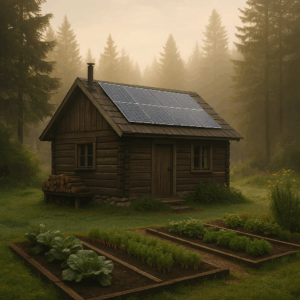
Embrace Simplicity: Your Guide to Simple Living and Sustainable Independence
In a world brimming with constant noise and complexity, many are seeking solace in the art of simple living and sustainable independence. Imagine waking up each day surrounded by nature, free from the clutches of conventional systems, and stepping into a life of self-reliance and calm. This journey towards embracing simplicity not only empowers individuals but also nurtures a profound sense of freedom and resilience. Whether you’re an urban prepper, a van-lifer, or someone simply curious about the life off grid, this guide is here to support your path. Together, we will explore how to transition from modern dependency to a lifestyle filled with intentional living, one step at a time.
Discovering Simple Living
Simple living is a journey of intentional choices that lead to a more fulfilling and less cluttered life. This section explores how to embrace simplicity in everyday life and break free from conventional systems that often complicate our existence.
Embracing Simplicity Every Day
Simplicity isn’t about deprivation; it’s about focusing on what truly matters. Start by decluttering your physical space, keeping only items that serve a purpose or bring joy. This process can be liberating and eye-opening.
Next, simplify your schedule. Prioritize activities that align with your values and bring fulfillment. Learn to say no to commitments that don’t serve your well-being or goals. This creates space for meaningful experiences and relationships.
Finally, simplify your consumption habits. Evaluate your needs versus wants, and make conscious choices about what you bring into your life. This mindful approach can lead to financial savings and a reduced environmental impact.
Freedom from Conventional Systems
Breaking free from conventional systems involves reassessing societal norms and choosing alternatives that align with your values. Start by examining your reliance on mainstream utilities and services.
Consider alternative energy sources like solar or wind power. Many off-grid enthusiasts find that generating their own electricity provides a sense of independence and reduces their carbon footprint.
Explore ways to reduce dependence on traditional food systems. Growing your own produce, raising chickens, or supporting local farmers can decrease reliance on large-scale agriculture while providing fresher, healthier food options.

Path to Sustainable Independence
Sustainable independence is about creating a lifestyle that’s self-sufficient and environmentally responsible. This section delves into the benefits of off-grid living and the essential skills needed for self-reliance.
Life Off Grid Benefits
Off-grid living offers numerous advantages, both personal and environmental. One primary benefit is reduced utility costs. By generating your own power and managing resources efficiently, you can significantly lower monthly expenses.
Environmental impact is another crucial benefit. Off-grid homes often have a smaller carbon footprint due to renewable energy use and reduced resource consumption. This lifestyle choice contributes to conservation efforts and promotes sustainable living practices.
Living off-grid also fosters a deeper connection with nature. Without the constant distractions of modern life, many find a renewed appreciation for the natural world and their place within it.
Building Self-Reliance Skills
Self-reliance is at the core of sustainable independence. Start by learning basic survival skills like fire-making, water purification, and shelter building. These fundamentals provide confidence in various situations.
Develop practical skills such as gardening, food preservation, and basic construction. These abilities not only support off-grid living but also enhance overall resilience and problem-solving capabilities.
Lastly, focus on energy management skills. Understanding how to maintain solar panels, wind turbines, or other alternative energy systems is crucial for long-term off-grid success.
Steps to Intentional Living
Intentional living is about making conscious choices that align with your values and goals. This section explores how to cultivate resilience and calm while offering practical tips for independence.
Cultivating Resilience and Calm
Resilience and calm are essential qualities for navigating the challenges of simple living. Start by practicing mindfulness through meditation or deep breathing exercises. These techniques help manage stress and promote mental clarity.
Develop a growth mindset by viewing challenges as opportunities for learning and improvement. This perspective fosters resilience and adaptability in the face of obstacles.
Create routines that support your well-being. Regular exercise, healthy eating habits, and sufficient sleep contribute to physical and mental resilience. Remember, self-care is crucial when embracing a self-reliant lifestyle.
Practical Independence Tips
Achieving practical independence requires a mix of skills, planning, and mindset shifts. Start by assessing your current dependencies and identifying areas where you can become more self-reliant.
Learn to repair and maintain your belongings. Basic sewing, woodworking, and mechanical skills can save money and reduce waste. Embrace the DIY spirit and tackle projects yourself when possible.
Build a supportive community. While independence is valuable, having a network of like-minded individuals can provide support, knowledge-sharing, and a sense of belonging. Connect with others who share your values and learn from their experiences.