
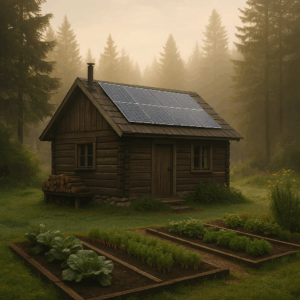
What is off grid? Your Guide to a Simpler, Self-Sufficient Lifestyle
In a world where modern conveniences often overshadow simplicity, many are turning to off grid living as a way to reclaim calm and capability. This lifestyle invites you to step away from dependency and into a realm of self-sufficiency, where renewable energy and sustainable living create a harmonious existence with nature. Imagine waking up in a home powered by solar panels, growing your own food, and embracing minimalism as a path to peace and freedom. Whether you’re a curious beginner or a seasoned homesteader, life off the grid offers a unique opportunity to live intentionally and connect more deeply with the world around you. In this guide, we’ll explore what it means to live off grid and share practical homesteading tips to help you embark on this empowering journey.
Understanding Off Grid Living
Off-grid living is a lifestyle choice that’s gaining popularity as people seek more sustainable and self-reliant ways of living. This section explores the core concepts of off-grid living, its benefits, and how it aligns with sustainable practices.
Defining What is Off Grid
Off-grid living refers to a lifestyle where a household is not connected to public utilities like electricity, water, or sewage systems. Instead, off-grid homes rely on self-sufficient systems to meet these needs.
At its core, living off the grid means generating your own power, managing your water supply, and handling waste independently. This approach often involves using renewable energy sources, such as solar panels or wind turbines, to produce electricity.
Off-grid living isn’t just about cutting ties with utility companies. It’s a philosophy that emphasizes self-reliance, environmental consciousness, and a simpler way of life. Many off-gridders also grow their own food, practice water conservation, and reduce their overall consumption.
Benefits of a Simple Life
Embracing a simpler life through off-grid living can offer numerous benefits, both personal and environmental.
Reduced environmental impact is a key advantage. By relying on renewable energy and reducing consumption, off-grid living significantly lowers one’s carbon footprint.
Financial benefits can be substantial in the long run. While initial setup costs can be high, off-grid living often leads to lower monthly expenses and greater financial independence.
Living off-grid also fosters a deeper connection with nature and a greater appreciation for resources. This mindful approach to consumption can lead to increased life satisfaction and a sense of purpose.
Embracing Sustainable Living
Sustainable living is at the heart of the off-grid lifestyle, focusing on reducing one’s environmental impact while meeting basic needs.
Off-grid living naturally aligns with sustainable practices. It encourages the use of renewable resources, minimizes waste, and promotes a more harmonious relationship with the environment.
Many off-gridders incorporate permaculture principles, creating self-sustaining ecosystems that provide food, energy, and other resources. This holistic approach not only benefits the individual but also contributes to broader environmental conservation efforts.
Sustainable off-grid living often involves practices like rainwater harvesting, composting, and using natural building materials. These methods reduce reliance on external resources and promote a more circular, waste-free lifestyle.
Practical Steps to Self-Sufficiency
Achieving self-sufficiency is a journey that requires planning, learning, and adaptation. This section outlines key steps and considerations for those looking to embrace an off-grid lifestyle.
Renewable Energy Solutions
Renewable energy is the cornerstone of off-grid living, providing the power needed for daily life without relying on the public grid.
Solar power is often the go-to choice for off-grid homes. Photovoltaic panels convert sunlight into electricity, which can be stored in batteries for use during cloudy days or at night. The efficiency and affordability of solar technology have improved significantly in recent years, making it an accessible option for many.
Wind turbines can complement solar systems, especially in areas with consistent wind. They’re particularly useful during winter months when solar production may be lower.
Micro-hydro systems are another option for properties with flowing water sources. These systems can provide a constant and reliable source of electricity.
Regardless of the chosen system, proper sizing and integration are crucial for meeting energy needs while maintaining independence from the grid.
Homesteading Tips for Beginners
Homesteading is a key aspect of off-grid living, focusing on self-sufficiency through agriculture and small-scale food production.
-
Start small: Begin with a garden plot or a few chickens before expanding to larger projects.
-
Learn basic skills: Develop abilities in areas like gardening, animal husbandry, and food preservation.
-
Plan for water: Implement rainwater collection systems and learn water conservation techniques.
-
Build community: Connect with other homesteaders for support, knowledge-sharing, and resource exchange.
Successful homesteading requires patience and continuous learning. Don’t be afraid to make mistakes; they’re valuable learning opportunities.
Minimalism and Simple Living
Minimalism and simple living are natural companions to off-grid life, emphasizing intentional consumption and reduced reliance on material possessions.
Adopting a minimalist mindset helps in transitioning to off-grid living. It encourages focusing on essentials and finding creative solutions with fewer resources.
Simple living often leads to increased life satisfaction. By reducing clutter and focusing on experiences rather than possessions, many find greater peace and contentment.
Embracing minimalism in an off-grid context might involve:
-
Choosing multi-purpose tools and equipment
-
Opting for quality over quantity in possessions
-
Developing a capsule wardrobe
-
Focusing on experiences and relationships rather than material goods
Building a Resilient Lifestyle
Creating a resilient off-grid lifestyle involves more than just technical solutions. It requires developing a mindset of adaptability, continuous learning, and community engagement.
How to Live Off Grid
Living off grid requires careful planning and a willingness to adapt to new ways of meeting daily needs.
The first step is often assessing your property and resources. Consider factors like climate, available water sources, and local regulations that might affect your off-grid plans.
Developing essential skills is crucial. This might include learning about renewable energy systems, basic construction, and food production techniques.
Start with small projects and gradually increase your self-sufficiency. This approach allows for learning and adjustment without overwhelming yourself.
Building a support network of like-minded individuals can provide valuable advice and assistance as you navigate the challenges of off-grid living.
Creating an Eco-Friendly Lifestyle
An eco-friendly lifestyle goes hand in hand with off-grid living, focusing on reducing environmental impact in all aspects of daily life.
Sustainable practices in off-grid living often include:
-
Using natural and biodegradable cleaning products
-
Implementing greywater systems for water reuse
-
Choosing eco-friendly building materials
-
Practicing permaculture principles in food production
Reducing waste is a key aspect of eco-friendly off-grid living. This might involve composting, upcycling, and choosing products with minimal packaging.
Energy efficiency is crucial in an off-grid home. This includes using energy-efficient appliances, implementing passive solar design, and being mindful of energy consumption habits.
Life Off the Grid: Challenges and Rewards
Life off the grid comes with its unique set of challenges and rewards, requiring resilience and adaptability.
Challenges often include:
-
Initial setup costs and complexity
-
Learning curve for new skills and technologies
-
Dealing with unpredictable weather and resource availability
-
Potential isolation from conveniences and social networks
Rewards can be significant:
-
Greater self-reliance and personal growth
-
Reduced environmental impact
-
Closer connection to nature and natural cycles
-
Potential for financial savings in the long term
Real-world experiences show that successful off-grid living often involves:
-
Continuous learning and adaptation
-
Building strong community connections
-
Developing problem-solving skills
-
Finding joy in simple living and self-sufficiency
“Off-grid living isn’t just about disconnecting from utilities; it’s about reconnecting with what truly matters in life.” – Off-Grid Living Guide
For those considering the leap, resources like Melissa K. Norris’s podcast offer valuable insights and practical advice for navigating the off-grid journey.

