
Can you legally live off-grid in the UK?
Living off-grid in the UK is an enticing prospect for those yearning to embrace simplicity, freedom, and resilience. But before you embark on this intentional journey toward independence, it’s crucial to understand the legal aspects of off-grid living in this part of the world. With a landscape rich in history and regulations, the UK offers both opportunities and challenges for aspiring off-gridders. Questions around sustainable living laws and off-grid regulations UK might seem overwhelming at first, but with the right guidance, they can become stepping stones to your dream lifestyle. In this piece, we will explore the practicalities of buying land off-grid, securing necessary permits, and navigating the complexities of sustainable living laws, helping you to confidently step into a life of intentional living.
Understanding Off-Grid Living
Before diving into the legal aspects, it’s essential to grasp what off-grid living truly means in the UK context. This section will explore the definition, motivations, and common misconceptions surrounding this lifestyle choice.
Defining Living Off-Grid UK
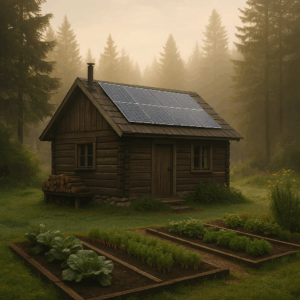
Living off-grid in the UK means embracing a lifestyle that’s independent of public utilities and services. It’s about creating a self-sustaining home that generates its own power, manages its water supply, and handles waste responsibly.
At its core, off-grid living is about reducing reliance on external systems. This often involves using renewable energy sources like solar panels or wind turbines, harvesting rainwater, and implementing composting toilets.
However, it’s important to note that off-grid living in the UK doesn’t necessarily mean complete isolation. Many off-gridders maintain connections with their local communities while striving for greater self-sufficiency in their daily lives.
Motivations for Off-Grid Living
People choose to live off-grid for various reasons, each as unique as the individuals themselves. Environmental consciousness is often a primary driver, with many seeking to reduce their carbon footprint and live more sustainably.
Financial considerations also play a role. While the initial setup costs can be significant, many are drawn to the long-term savings and financial independence that off-grid living can offer.
For some, it’s about personal freedom and the desire to live a simpler life, away from the hustle and bustle of modern society. Others are motivated by the challenge and satisfaction of being self-reliant.
Lastly, there’s a growing interest in resilience and preparedness, with off-grid living seen as a way to weather potential disruptions to traditional systems.
Myths About Off-Grid Life
Despite its growing popularity, off-grid living is still surrounded by misconceptions. One common myth is that it’s illegal in the UK, which isn’t entirely true – it’s more about navigating regulations than outright prohibition.
Another misconception is that off-grid living means complete isolation. In reality, many off-gridders maintain strong community ties and simply choose to be independent in terms of utilities.
Some believe that off-grid living is only for the wealthy or technically skilled. While certain skills and initial investments are helpful, off-grid living can be accessible to a wide range of people with proper planning and gradual implementation.
Lastly, the idea that off-grid living means giving up all modern comforts is a myth. Many off-grid homes incorporate modern technologies and amenities, just powered and managed differently.

Legal Aspects of Off-Grid Living
Understanding the legal framework is crucial for anyone considering off-grid living in the UK. This section will explore the regulations, sustainable living laws, and planning considerations you need to be aware of.
Off-Grid Regulations UK
Off-grid regulations in the UK are not straightforward and can vary depending on your location and specific circumstances. It’s essential to research and understand these regulations before embarking on your off-grid journey.
One key area of regulation concerns building codes and standards. Even if you’re off-grid, your dwelling must meet certain safety and structural requirements. This includes proper insulation, ventilation, and fire safety measures.
Another important aspect is waste management. Off-grid homes must have approved systems for dealing with sewage and other waste, which often means installing composting toilets or septic systems that meet environmental standards.
Energy generation is another area of regulation. While you’re free to generate your own power, there may be restrictions on the type and size of installations you can have.
This will be continued in a part 2 blog post.
